

Below is a transcribed press release from 1929 describing the U.S. Fur Animal Experiment Station at Saratoga Springs, NY. The photo above is from 1941. Note that the press release is at least 50% propaganda, but it’s useful for understanding the official purpose of the station.
U.S. Department of Agriculture
[Press Release]
September 26, 1929
THE FUNCTION OF THE FUR-ANIMAL EXPERIMENT STATION
AT SARATOGA SPRINGS
By Walter C. Henderson, Associate Chief, Bureau of Biological Survey
(Address given at Field Day, U.S. Fur-Animal Experiment Station, Saratoga Springs, New York, September 19, 1929)
The Fur-Animal Experiment Station of the Bureau of Biological Survey, whose Field Day we are here observing, was established six years ago this fall at Saratoga Springs, New York. Its chief purpose is to facilitate experiments and other necessary research in fur farming, the need for which has just been presented to you by Doctor Woods, the Director of Scientific Work of the United States Department of Agriculture. Facts are being gathered here on all phases of fur production for the benefit of the growing numbers of fur farmers throughout the country. The result of the investigations are given to the public through demonstrations, individual advice, and the publication of bulletins and circulars.
Earlier fur stations were operated by the Survey at Pritchard, Idaho, and at Keeseville, New York, as forerunners of this one now maintained in the Adirondack region. Shortly after the establishment of a separate Rabbit Experiment Station by the Bureau at Fontana, California, last year, the stock of rabbits formerly kept here was taken there. Investigations to supplement the work of the Saratoga station are being made elsewhere in the country in co-operation with the Medical School of the University of Minnesota, designed primarily to control outbreaks of disease on fur ranches and to develop methods of diagnosing diseases, treating the animals affected, and controlling both diseases and parasites.
Through the instrumentality of the Fur-Animal Experiment Station and other fur investigations of the Biological Survey, valuable information is being developed regarding all the species of fur bearers now being propagated on fur ranches in the country. Their habits are observed here and elsewhere and investigations are made of the best management practices regarding feeding, breeding, and housing captive animals and the prevention or control of the diseases and parasites to which they are subject when concentrated in numbers greater than are ordinarily found in small areas in the wild.
Not only is the Adirondack region in which this station is situated noted for the quality of the fur produced in the wild, but the station site itself is well adapted to meet all the requirements for raising fur animals in captivity. In addition it is readily accessible for bringing in stock, building materials, feed, and other supplies. These features were considered essential when a new location for the station was being sought six years ago, and the wisdom of those who selected the present site has been amply demonstrated.
The station grounds are on a 20-acre tract of well-drained soil, about three-fourths of which are covered with an excellent forest growth that makes it all the more suitable for the fur bearers. Conveniently situated on a State road, only 4 miles from Saratoga Springs, it is easily reached by the public. To accommodate visitors the station is open to them on Wednesdays and Sundays from the first of June to the first of December, between the hours of 10 and 4. The funds for operating the station are provided in annual appropriations made by Congress to the Department of Agriculture, for expenditure by the Bureau of Biological Survey in its work on the production of fur-bearing animals, the general authorization being couched in broad terms, as follows: “For investigation, experiments, demonstrations, and cooperation in connection with the production of fur-bearing animals raised for meat and fur, in the United States and Alaska.”
The prime object of the Fur-Animal Experiment Station is to determine the most efficient methods of producing fur bearers in captivity. The station is not operated as a farm for commercial profit through the sale of either breeding stock or pelts, but all energies are directed to developing economical methods of producing fur of fine quality, insuring sanitary surroundings for the animals, and preventing outbreaks of disease or infestation of parasites. Surplus animals are pelted, however, but the proceeds from the sale of the skins are deposited in the United States Treasury and are not available for extending the work of the station. No live animals are sold for any purpose.
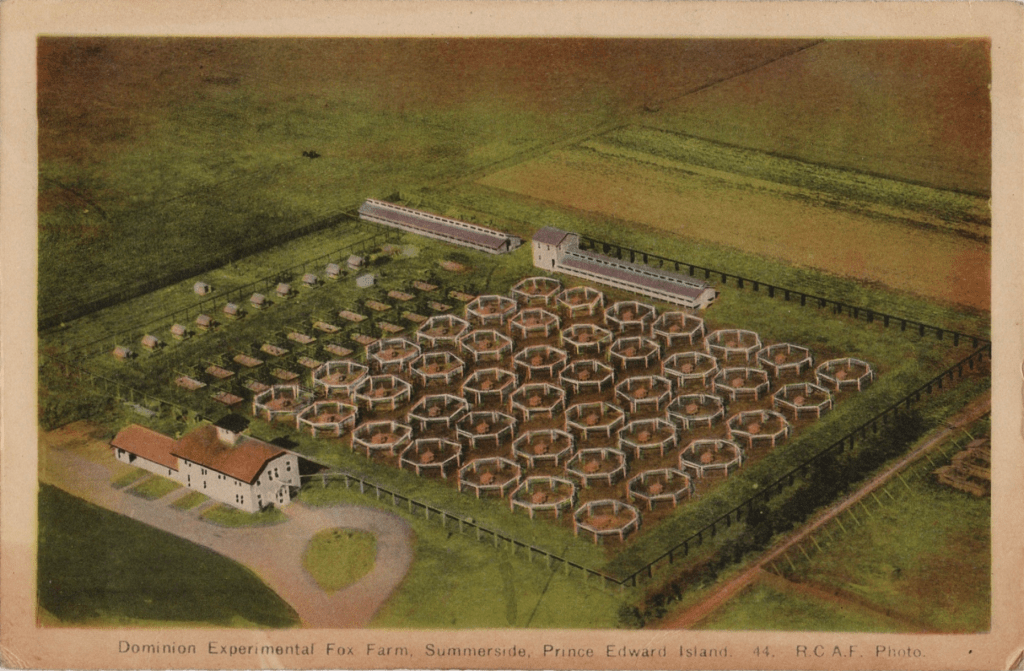
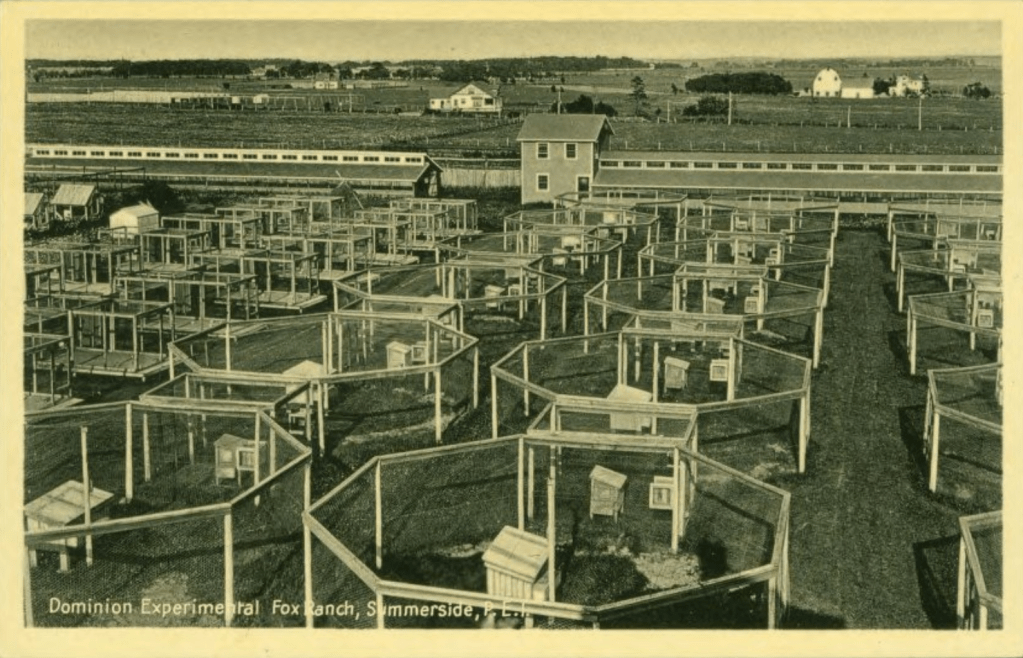
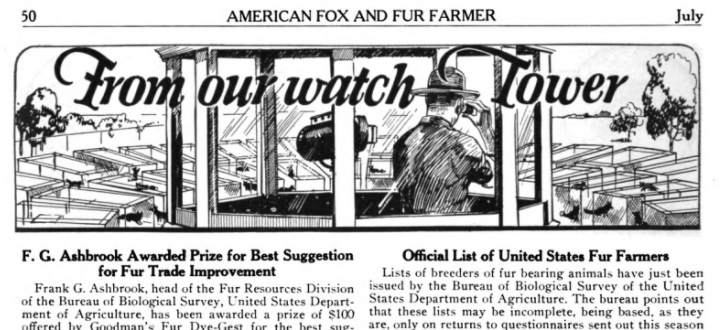
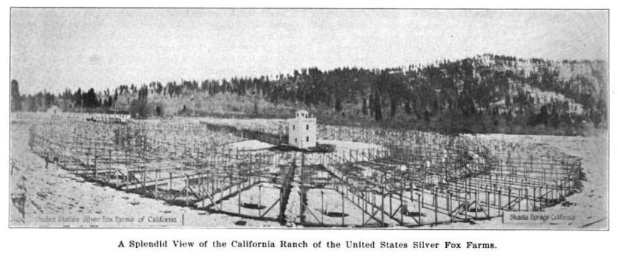
The animals maintained at the experiment station include, or have included, red, cross, and silver foxes, martens, minks, skunks, badgers, and others. Additional species will be experimented with as the work develops and the funds permit. The equipment of the station includes modern pens, dens, and nest boxes for the animals, a laboratory and administration building, a utility house containing cook room, feed room, and carpenter shop, a watch tower from which the animals can be observed when necessary without disturbing them, a storehouse for miscellaneous equipment, and a comfortable house and other buildings for the use of the caretaker and his family. Two large areas are inclosed with guard fence. One of these contains breeding pens, pens for the young, and the watch tower, and the other, called the “furring pen,” is used as an exercising yard for the foxes. Foxes kept in the large furring pen do well and fur out better than those kept constantly in the breeding pens, and although they consume more food there, as they have greater freedom for exercise, the lessened labor and time in caring for them more than offsets the increased cost of feeding.
One of the chief lines of investigation being conducted at the experiment station for the guidance of fur farmers throughout the country is concerned with foods and feeding. In the experiments, which have to do chiefly with foxes, facts are developed under three headings. These are concerned with (1) the simplest and most satisfactory methods of preparing the feed and giving it to the animals; (2) the quantity required during the various seasons of the year; and (3) the best feeds and combinations of feeds for animals of all ages.
Wholesome feeds are supplied to all animals at the experiment station, and the water used is pumped from a deep well. Feedings are usually once daily, but under certain conditions both morning and evening meals arc given. Practically all of the feed is given raw and in individual aluminum pans. The main ration consists of a mixture of ground raw meat, milk, cereal mixture, water, and cod-liver oil. The cereal mixture is prepared from bread that has been kiln-dried, shredded wheat waste, wheat germ, corn-oil cake meal, fish meal, edible bone meal, alfalfa meal, and iodized salt. The quantity of feed consumed daily by each fox ranges from about 9 to 14 ounces.
Modern sanitation methods are strictly insisted upon throughout the station, for the necessity for cleanliness and sanitation can not be over-stressed if fur-animals are to be produced profitably. Sanitary surroundings are as essential to the health of the captive fur animals as to that of other kinds of farm livestock. Cleanliness and common-sense methods in management are of first importance in keeping fur animals in health and vigor. All dens and pens are kept as clean as possible, a pure and fresh water supply is provided, and after each meal all the feeding dishes are collected, cleaned, and sterilized.
The methods developed in disease control through cooperation with the University of Minnesota are carefully followed at the experiment station. In spite of the strictest sanitation, some diseases break out among fur animals on farms, and special studies are being made of those that affect foxes. Thus far four distinct diseases have been described, through the cooperative research work being conducted. All of these, and possibly some others not yet recognized, have in the past been shown by the one term “distemper.” It is now known that separate kinds of treatment and control are required for each, that the history of outbreaks is not the same, and that the mortality rate in the different diseases varies. Special note is made of these matters, the class of animals affected, their symptoms, and the organs involved.
Most outbreaks of diseases on fur farms have been traceable to animals brought from other farms or from fox shows. In the early stages of the investigations of fur-animal production lack of laboratory facilities and of adequate funds prevented the necessary studies of the bacteriology, pathology, and parasitology of infected stock. It was to correct this defect in investigational methods that arrangements were made with the University of Minnesota a little more than two years ago (October 1, 1927) for a program of cooperative research on the diseases of fur animals. With the causes of infection known, and accurate methods of diagnosis worked out, it is more possible to combat the disease outbreaks that occur. The work at the station and at the university are supplementary the one to the other, and, and the results are being applied on the fur farms from which requests are received for assistance in controlling disease. The four infectious diseases on which progress is being made through the cooperative investigations are epizootic fox encephalitis, paratyphoid infection, pneumonia, and tuberculosis.
Improved methods of handling diseased animals during treatment are being devised, and during the past year a motion picture film was made at the experiment station to acquaint veterinarians and others with the best methods of handling foxes. Without taking proper precautions and using the right kind of instruments, an operator is likely to suffer severe injury in handling his stock, either for examinations or for the treatment of disease.
Studies have been in progress at the station for some years of the tolerance of foxes to the various drugs employed as anthelmintics and for other therapeutic purposes. Such intestinal parasites as can be reached by drugs given through the mouth can be fairly well controlled by recently developed treatments, properly administered. Additional studies are required, and are being pursued so far as the facilities permit, of the parasites of fur animals, their life histories, and practical means of control. Whenever reliable information is developed at the station, or through visits of members of the station staff to private fur farms, or through other laboratory investigations, the facts are made available to the general public in the form of letters, press articles, radio talks, or bulletins, or in actual demonstrations when these are feasible. It is the primary function of the Fur-Animal Experiment Station to acquaint fur farmers with the latest developments on all phases of fur farming.
The Biological Survey desires exceedingly to meet its obligations to the fur farmers of the country. Every effort is made to acquaint breeders with discoveries made at the station regarding improved management practices in breeding, feeding, and handling fur bearers in captivity. Field work of representatives of the station and of the Washington and cooperating offices in inspecting fur farms is resulting in the accumulation of much valuable information on the various problems confronting fur farmers and in many notable improvements in fur-farming practices. This information is available to all concerned, and fur farmers are invited to utilize the facilities provided by the Biological Survey through its Fur-Animal Experiment Station to the greatest possible extent. The station is maintained to benefit fur farmers individually and collectively, so that a stable industry may be established in fur production, one efficiently managed and intelligently directed, with future progress constantly in view.


 Panoptifox